When it comes to maintaining healthy, vibrant skin, many people focus on skincare products, hydration, and sun protection. While these factors are important, one often-overlooked element plays a significant role in skin health: sleep. Quality sleep is essential for the body’s ability to repair and regenerate itself, and the skin is no exception. At Prive Plastic Surgery in Boca Raton, FL, Dr. Liz Wu often emphasizes the importance of overall wellness habits, including sleep, as part of a comprehensive approach to healthy aging and skin maintenance.
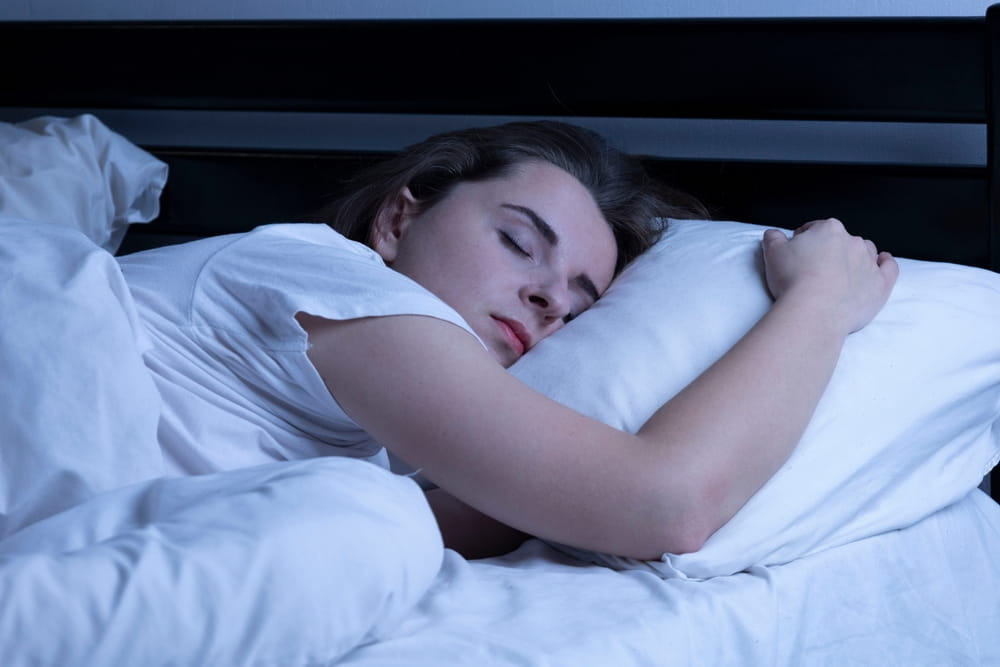
During sleep, the body enters a restorative state that supports cellular repair, hormone regulation, and immune function. The skin undergoes important recovery processes while you rest, helping to repair damage caused by daily exposure to ultraviolet rays, pollution, stress, and other environmental factors. Without adequate sleep, these repair mechanisms can become less efficient, potentially affecting the skin’s appearance and overall health over time.
How Sleep Supports Skin Repair
Cellular Regeneration During Rest
The skin is constantly renewing itself. While this process occurs throughout the day, many restorative activities become more active during sleep. Blood flow to the skin increases, allowing nutrients and oxygen to reach skin cells more effectively. This enhanced circulation supports tissue repair and collagen production, both of which contribute to healthy, resilient skin.
Collagen is a structural protein responsible for maintaining skin firmness and elasticity. During deep sleep stages, the body releases growth hormone, which helps stimulate collagen synthesis and tissue repair. Adequate sleep supports this natural process, helping the skin recover from daily wear and tear and maintain a smoother, more youthful appearance.
Barrier Function and Hydration
Sleep also plays a role in maintaining the skin’s protective barrier. The skin barrier helps retain moisture while protecting against irritants and environmental stressors. During sleep, hydration balance is regulated, allowing the skin to recover from moisture loss experienced during waking hours.
Poor sleep may impair barrier function, making skin more susceptible to dryness, irritation, and sensitivity. Individuals who consistently experience insufficient sleep may notice dullness, rough texture, or increased skin discomfort. Proper rest helps support the skin’s ability to remain hydrated and function effectively as a protective shield.
What Happens to Skin When You Don’t Get Enough Sleep?
Increased Signs of Aging
Sleep deprivation can contribute to visible signs of aging. When sleep quality declines, the body produces higher levels of cortisol, commonly known as the stress hormone. Elevated cortisol can accelerate collagen breakdown and increase inflammation throughout the body, including the skin.
Over time, chronic sleep deprivation may contribute to the appearance of fine lines, wrinkles, uneven skin tone, and reduced skin elasticity. While aging is a natural process, adequate sleep can help support the body’s natural repair mechanisms that keep skin looking healthier and more refreshed.
Dark Circles and Puffiness
One of the most noticeable effects of poor sleep is the development of dark circles and under-eye puffiness. Lack of sleep can cause blood vessels beneath the thin skin around the eyes to become more visible, leading to a darker appearance. Fluid retention may also contribute to puffiness and swelling around the eyes.
Although these changes are often temporary, consistently poor sleep habits can make them more persistent and noticeable. Getting sufficient rest allows the body to regulate fluid balance and circulation more effectively, helping reduce these common cosmetic concerns.
Sleep, Inflammation, and Skin Conditions
Inflammation is a natural immune response, but excessive or chronic inflammation can negatively affect skin health. Sleep deprivation has been linked to increased inflammatory activity, which may worsen certain skin conditions or contribute to skin sensitivity.
Individuals with conditions such as acne, eczema, psoriasis, or rosacea may notice that flare-ups become more frequent or severe during periods of poor sleep. While sleep alone does not cause these conditions, it can influence how effectively the body manages inflammation and supports skin recovery.
The relationship between stress and sleep also plays an important role. Poor sleep can increase stress levels, and elevated stress can further disrupt sleep quality, creating a cycle that may impact both overall wellness and skin appearance.
Habits That Support Better Sleep and Healthier Skin
Creating a Skin-Friendly Sleep Routine
Improving sleep quality can benefit both overall health and skin function. Consider the following habits that may support restorative sleep:
- Maintain a consistent bedtime and wake time.
- Limit screen exposure before bed.
- Keep the bedroom cool, dark, and comfortable.
- Avoid excessive caffeine or alcohol late in the day.
- Practice relaxation techniques such as meditation or deep breathing.
- Follow a regular skincare routine that supports overnight skin recovery.
These simple lifestyle adjustments can help improve sleep quality and create an environment where the body and skin can perform their natural repair processes more effectively.
Supporting Long-Term Skin Wellness
While topical treatments and aesthetic procedures can help address specific skin concerns, foundational lifestyle habits remain important. Healthy nutrition, hydration, sun protection, regular physical activity, and quality sleep all work together to support healthier skin over time.
Patients exploring options such as Skin Care, Laser Treatments, Fillers, or Neurotoxins may also benefit from optimizing their sleep habits, as healthy skin function can enhance overall skin appearance and recovery.
Prioritizing Sleep for Healthier-Looking Skin
Sleep is one of the body’s most powerful tools for restoration and repair. From supporting collagen production and hydration to reducing inflammation and promoting cellular renewal, quality sleep contributes significantly to skin health. While no single habit can prevent all signs of aging or skin concerns, consistently getting adequate rest can help the skin function at its best and maintain a healthier appearance over time.
At Prive Plastic Surgery in Boca Raton, FL, Dr. Liz Wu encourages patients to view skin health through a comprehensive lens that includes healthy lifestyle habits alongside appropriate skincare strategies. Prioritizing sleep is a simple yet impactful step toward supporting both overall wellness and healthier-looking skin.
Resources
Irwin, M. R. (2015). Why Sleep Is Important for Health: A Psychoneuroimmunology Perspective. Annual Review of Psychology.
Oyetakin-White, P., Suggs, A., Koo, B., Matsui, M., Yarosh, D., & Cooper, K. D. (2015). Does Poor Sleep Quality Affect Skin Ageing? Clinical and Experimental Dermatology.
Kahan, V., Andersen, M. L., Tomimori, J., Tufik, S., & Chacra, N. A. (2017). Stress, Sleep, and Skin Health: A Review. Sleep Science.