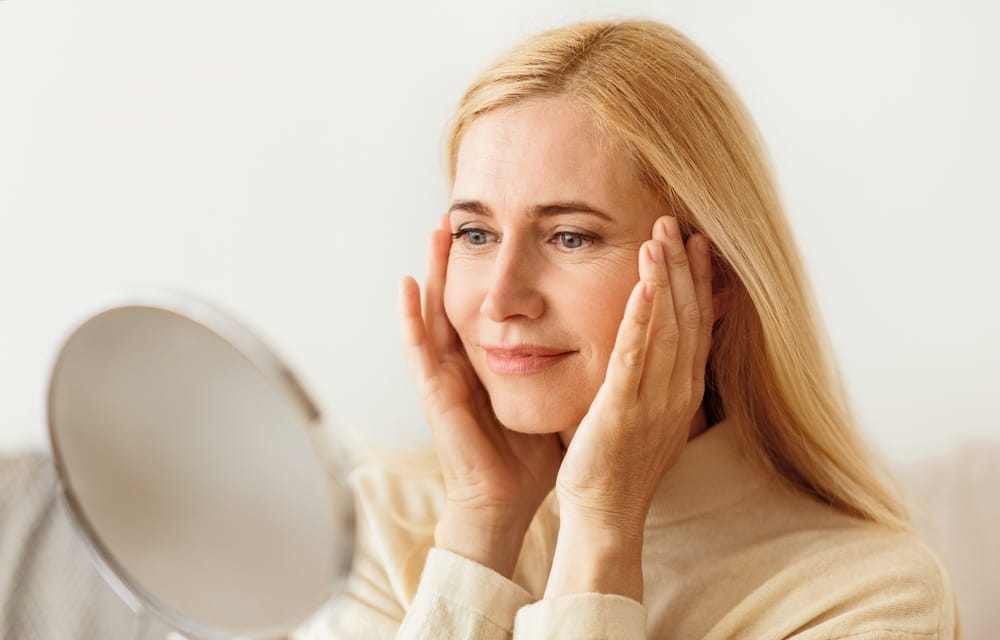
Healthy, vibrant skin is often associated with youthfulness and confidence. Over time, however, factors such as sun exposure, aging, acne, and environmental stressors can leave the skin looking uneven, dull, or damaged. Chemical peels are a popular skin rejuvenation treatment designed to improve the appearance and texture of the skin by encouraging controlled exfoliation and renewal. At Prive Plastic Surgery in Boca Raton, FL, Dr. Liz Wu understands the importance of skin health and patient education when considering aesthetic treatments such as chemical peels.
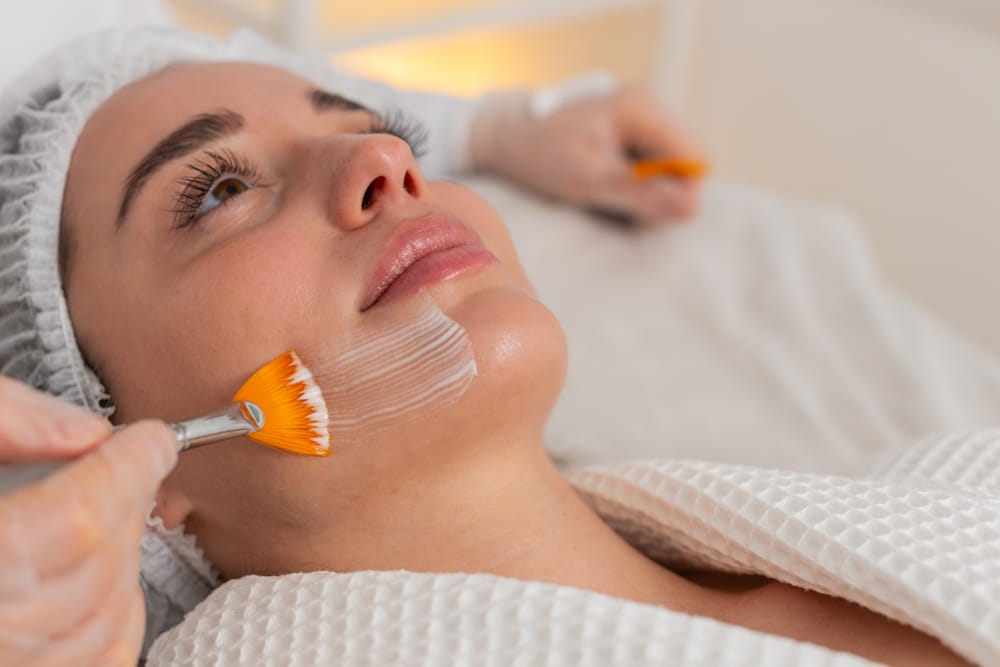
A chemical peel involves applying a specially formulated solution to the skin, causing the outer layers to exfoliate and eventually peel away. As the damaged skin sheds, new skin cells emerge, often revealing a smoother, brighter, and more even complexion. Chemical peels can address a wide range of concerns, including fine lines, sun damage, hyperpigmentation, acne scars, and uneven skin texture. Depending on the depth of the peel, treatment can range from a light refresh with minimal downtime to a deeper resurfacing procedure that requires a more extensive recovery period.
Types of Chemical Peels
Light Chemical Peels
Light chemical peels target the outermost layer of skin and are commonly used to improve mild discoloration, rough texture, and minor acne concerns. These treatments typically use alpha-hydroxy acids (AHAs) or similar ingredients to gently exfoliate the skin. Because they are less aggressive, recovery is usually quick, with mild redness or flaking lasting only a few days.
Many individuals choose light peels as part of an ongoing skincare regimen. Regular treatments can help maintain smoother skin and improve overall skin tone while requiring minimal interruption to daily activities.
Medium and Deep Chemical Peels
Medium-depth peels penetrate deeper into the skin and may be used to address more noticeable wrinkles, pigmentation issues, and acne scarring. Recovery can involve several days of redness, peeling, and sensitivity as the skin heals and regenerates.
Deep chemical peels reach even further into the skin and are often reserved for more advanced signs of aging or significant sun damage. Because these treatments are more intensive, they require careful planning, longer recovery periods, and close follow-up. Patients considering deeper resurfacing options may also explore complementary aesthetic treatments such as laser treatments depending on their individual goals and skin condition.
What Happens During the Treatment
Before a chemical peel, a consultation is typically performed to evaluate skin type, concerns, and treatment goals. Factors such as current skincare products, previous cosmetic procedures, and medical history can influence the type of peel recommended. Preparing the skin properly before treatment may help optimize results and minimize complications.
During the procedure, the chemical solution is carefully applied to the treatment area. Patients may experience sensations such as tingling, warmth, or mild stinging while the solution is active. The treatment length varies depending on the peel being performed. Once complete, the skin may appear red or slightly irritated, similar to a mild sunburn. The intensity of these effects often corresponds to the depth of the peel.
Recovery and Aftercare Expectations
Recovery is one of the most important aspects of achieving successful chemical peel results. Following treatment, the skin enters a healing phase during which old, damaged skin cells shed and new cells develop. It is common to experience redness, dryness, tightness, and visible peeling. The duration and severity of these effects vary depending on the strength of the peel.
Patients are typically advised to avoid excessive sun exposure, harsh skincare products, and picking at peeling skin. Proper hydration and diligent sun protection are essential during the healing process. Following post-treatment instructions carefully helps reduce the risk of complications and supports healthy skin renewal. Many people notice improvements in skin brightness and texture within days to weeks as healing progresses.
Results and Long-Term Benefits
One of the most appealing aspects of chemical peels is their ability to stimulate skin renewal. As fresh skin cells replace damaged ones, many individuals experience improvements in skin tone, texture, and overall radiance. Fine lines may appear softer, discoloration may become less noticeable, and the skin often develops a healthier-looking glow.
The longevity of results depends on factors such as the type of peel performed, skincare habits, sun exposure, and the natural aging process. Maintaining a consistent skincare routine and protecting the skin from ultraviolet damage can help extend the benefits of treatment. Some individuals choose periodic maintenance treatments to continue supporting healthy skin appearance over time.
Is a Chemical Peel Right for You?
Chemical peels can be an effective option for individuals seeking non-surgical skin rejuvenation. However, not every peel is appropriate for every skin type or concern. Factors such as skin sensitivity, pigmentation tendencies, and overall skin health should be carefully evaluated before treatment. Consulting with a qualified medical professional can help determine which approach best aligns with individual goals.
At Prive Plastic Surgery in Boca Raton, FL, patient education is an important part of the decision-making process. Under the guidance of Dr. Liz Wu, individuals can learn about available skin rejuvenation options and develop a better understanding of what to expect before, during, and after treatment. By understanding the process and committing to proper aftercare, patients can make informed choices about achieving healthier, more refreshed-looking skin.
Resources
Soleymani, T., Lanoue, J., & Rahman, Z. (2018). A Practical Approach to Chemical Peels: A Review of Fundamentals and Step-by-Step Algorithmic Protocol for Treatment. Journal of Clinical and Aesthetic Dermatology.
Mohan, S. V., & Chang, A. L. S. (2014). Advanced Chemical Peels: Indications and Techniques. Dermatologic Clinics.
Bolognia, J. L., Schaffer, J. V., & Cerroni, L. (2018). Dermatology (4th Edition). Elsevier.