Scars are a natural part of the body’s healing process, but some scars may become raised, wide, discolored, or otherwise noticeable enough to affect comfort or confidence. Scar revision procedures are designed to improve the appearance of scars and, in some cases, restore function when scar tissue restricts movement. Recovery after scar revision is an important phase of treatment, as the healing process significantly influences the final outcome. At Prive Plastic Surgery in Boca Raton, FL, Dr. Liz Wu emphasizes that proper post-procedure care plays a key role in supporting the skin’s ability to heal effectively.
It is important to understand that scar revision does not erase a scar completely. Instead, the goal is typically to make the scar less noticeable by improving its size, shape, texture, or color. Whether the revision involves surgical excision, laser therapy, injectable treatments, or another technique, patients should expect a period of healing during which the skin gradually remodels and matures.
What to Expect Immediately After Scar Revision
Early Healing and Initial Changes
The first several days after a scar revision procedure often involve mild swelling, redness, tenderness, and bruising around the treatment area. These responses are part of the body’s normal healing process. The severity of these symptoms depends on the size and location of the scar being treated, as well as the specific revision method used.
Patients may notice that the revised scar initially appears more prominent than expected. This is normal and does not reflect the final outcome. During the early stages of healing, the skin is actively repairing itself, and temporary inflammation can make the area appear red or raised. Over time, these changes typically improve as healing progresses.
Protecting the Treatment Site
Keeping the treatment area clean and protected is essential during the early recovery phase. Following all post-procedure instructions helps reduce the risk of infection and supports proper wound healing. Depending on the type of scar revision performed, temporary dressings or bandages may be used to protect the area while new tissue develops.
Patients are generally advised to avoid unnecessary pressure, friction, or trauma to the treated area. Protecting the site from excessive movement can help minimize tension on healing skin and contribute to a more favorable scar appearance over time.
The Stages of Scar Healing
Collagen Remodeling and Maturation
Scar healing is a gradual process that continues long after the skin surface appears healed. During recovery, the body produces and reorganizes collagen fibers within the scar. This process, known as remodeling, helps strengthen the tissue and improve its appearance.
In the weeks and months following scar revision, patients may notice ongoing changes in color, texture, and firmness. A scar that initially appears red or raised may gradually flatten and fade. Because collagen remodeling occurs slowly, final results may not become fully visible for several months or even up to a year after treatment.
Why Patience Is Important
Many patients expect immediate improvement after scar revision, but healing requires time. The body must rebuild tissue and gradually refine the appearance of the revised scar. Comparing progress week by week can sometimes be discouraging because changes occur slowly and incrementally.
Understanding that scar maturation is a long-term process can help patients maintain realistic expectations and remain committed to recommended aftercare strategies. Consistency in self-care often contributes significantly to the final cosmetic outcome.
Self-Care Strategies That Support Healing
Daily Habits That Promote Recovery
Several healthy habits can support the body’s natural healing process after scar revision:
- Follow all wound care instructions provided by your healthcare professional.
- Keep the treatment area clean and protected.
- Avoid smoking and nicotine products whenever possible.
- Stay well hydrated throughout recovery.
- Eat a balanced diet rich in protein, vitamins, and minerals.
- Avoid picking at scabs or healing tissue.
- Get adequate sleep to support tissue repair.
These measures help provide the body with the resources it needs to regenerate tissue and optimize healing.
Sun Protection Matters
One of the most important aspects of scar care is protecting healing skin from sun exposure. Ultraviolet radiation can cause scars to become darker, more noticeable, and slower to fade. Newly healed skin is especially vulnerable to pigmentation changes caused by sunlight.
Using broad-spectrum sunscreen, wearing protective clothing, and limiting direct sun exposure can help preserve the appearance of a healing scar. Consistent sun protection is often recommended for many months following scar revision treatment.
Supporting Long-Term Scar Improvement
Additional Treatments and Skin Care
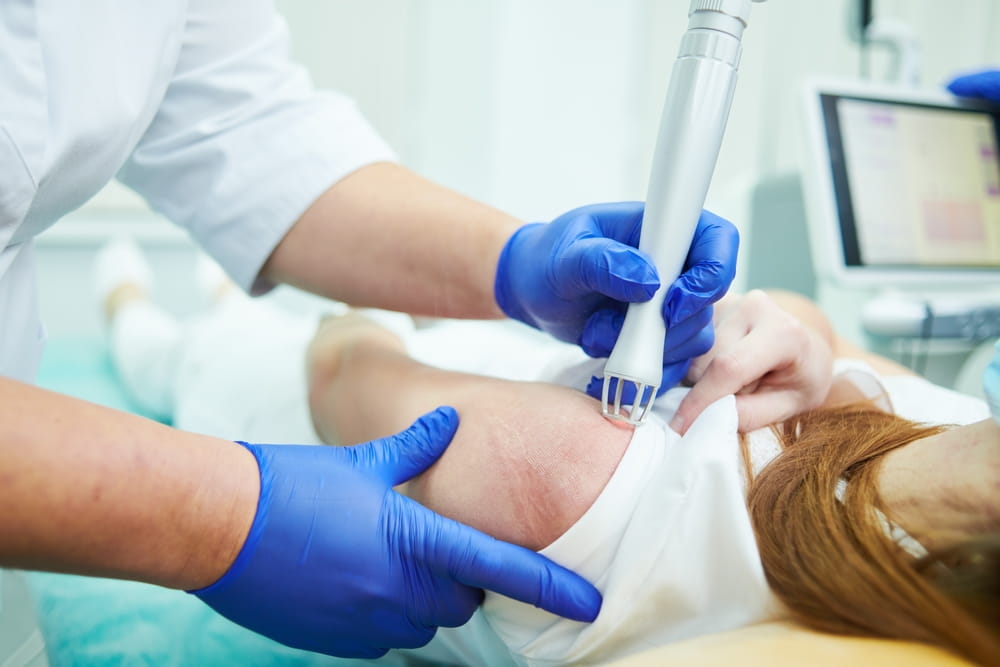
In some cases, scar improvement may continue to be supported with complementary treatments after the initial healing period. Depending on the scar type and individual goals, options such as Laser Treatments, Skin Care, or other aesthetic procedures may be considered as part of a comprehensive scar management plan.
Maintaining healthy skin habits can also contribute to ongoing improvements. Gentle skincare, hydration, sun protection, and avoiding unnecessary irritation help support the skin as it continues to remodel and mature.
Emotional Aspects of Recovery
Scars can carry emotional significance, particularly when they result from surgery, injury, or trauma. Many individuals seek scar revision not only for physical improvement but also for increased confidence and comfort. Recovery involves both physical healing and adjusting expectations as the skin gradually changes over time.
Taking photographs periodically rather than examining the scar daily can help patients recognize gradual progress more objectively. Small improvements often become more noticeable when viewed over several weeks or months rather than from day to day.
Taking an Active Role in Healing
Scar revision can be an effective way to improve the appearance of scars and enhance confidence, but the healing process does not end when the procedure is completed. Proper self-care, patience, and consistent follow-up are all important components of recovery. Understanding how scars heal and what to expect during the remodeling process can help patients feel more prepared and empowered throughout their journey.
At Prive Plastic Surgery in Boca Raton, FL, Dr. Liz Wu encourages patients to approach scar revision recovery as a partnership between the procedure itself and the body’s natural healing abilities. By following recommended self-care practices and allowing adequate time for healing, patients can support the best possible outcome from their scar revision treatment.
Resources
Mustoe, T. A., Cooter, R. D., Gold, M. H., Hobbs, F. D. R., Ramelet, A. A., Shakespeare, P. G., Stella, M., Téot, L., Wood, F. M., & Ziegler, U. E. (2002). International Clinical Recommendations on Scar Management. Plastic and Reconstructive Surgery.
Monstrey, S., Middelkoop, E., Vranckx, J. J., Bassetto, F., Ziegler, U. E., Meaume, S., & Téot, L. (2014). Updated Scar Management Practical Guidelines. Burns.
Gold, M. H., McGuire, M., Mustoe, T. A., Pusic, A., Sachdev, M., Waibel, J., & Murcia, C. (2014). Updated International Clinical Recommendations on Scar Management. Dermatologic Surgery.