
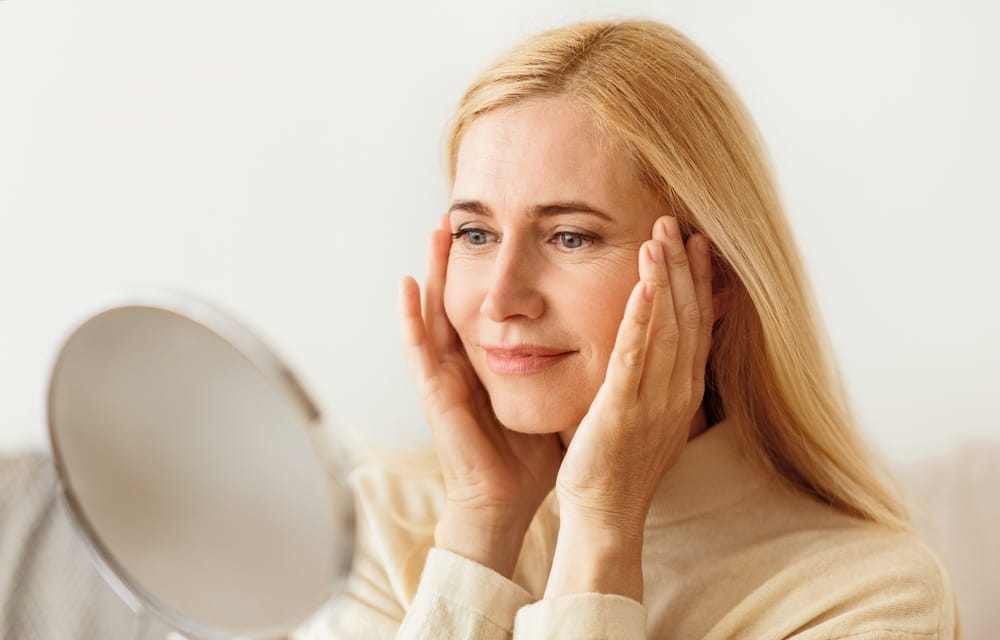
When most people think about facial aging, wrinkles and fine lines are often the first changes that come to mind. However, aging affects much more than the surface of the skin. Over time, changes occur in the skin, fat, muscles, and even the underlying facial bones, gradually altering the overall shape and contours of the face. Understanding these structural changes can help explain why the face looks different with age and why certain treatments focus on restoring support and balance rather than simply smoothing wrinkles. At Prive Plastic Surgery in Boca Raton, FL, Dr. Liz Wu believes that educating patients about the aging process helps them make informed decisions about facial rejuvenation.
Facial aging is a gradual and highly individualized process. Genetics, sun exposure, lifestyle habits, and environmental factors all influence how quickly changes occur. While everyone ages differently, there are several common patterns that affect facial shape as the years pass. These changes often involve a combination of volume loss, tissue descent, and decreased skin elasticity that collectively contribute to a more aged appearance.
The Role of Bone Structure in Facial Aging
Changes in the Facial Skeleton
Many people are surprised to learn that facial bones change over time. The skeletal structure of the face provides the framework that supports the skin, muscles, and fat. As aging occurs, certain areas of the facial skeleton gradually lose volume and density. The eye sockets may become larger, the jawline may lose definition, and the cheekbones may provide less structural support than they did in younger years.
These subtle skeletal changes can significantly affect facial proportions. As the support system beneath the skin changes, overlying tissues may shift downward, contributing to hollow areas, sagging, and a less defined facial contour. Although these changes occur slowly, they play a major role in the overall aging process.
Impact on Facial Balance
Youthful faces often display smooth transitions between facial features and balanced proportions. As bone structure changes, these proportions can shift. The midface may appear flatter, while the lower face may become more prominent due to tissue descent and changes along the jawline.
This loss of structural support can create a more tired or aged appearance, even in individuals who maintain healthy skin. Understanding the role of bone remodeling helps explain why facial aging is much more complex than the development of wrinkles alone.
Loss of Facial Fat and Volume
How Facial Fat Changes With Age
Facial fat contributes to youthful contours by creating soft, smooth fullness in the cheeks, temples, and around the eyes. Over time, fat compartments within the face naturally shrink and shift. Rather than being evenly distributed, facial fat exists in distinct compartments that age differently.
Volume loss is often most noticeable in the cheeks and temples. As these areas lose fullness, the face may appear less rounded and more hollow. This change can make shadows more visible and contribute to an overall appearance of fatigue or aging.
The Development of Hollow Areas
As facial fat decreases and shifts downward, several characteristic signs of aging may develop. The cheeks may appear flatter, under-eye hollows may become more noticeable, and the temples may lose volume. At the same time, fat can accumulate in other areas, such as along the jawline and beneath the chin.
These changes alter the shape of the face from the youthful “triangle of youth,” where fullness is concentrated in the upper face, to a more bottom-heavy appearance. The redistribution of volume is one of the most significant contributors to age-related facial shape changes.
Skin Elasticity and Tissue Descent
Collagen and Elastin Breakdown
The skin itself undergoes substantial changes with age. Collagen and elastin, the proteins responsible for maintaining skin firmness and elasticity, gradually decline over time. As production decreases, the skin becomes thinner, less resilient, and more prone to sagging.
Reduced elasticity means that the skin is less able to bounce back after movement and gravity exert their effects. Over the years, this contributes to loose skin along the cheeks, jawline, neck, and around the eyes. Sun exposure can accelerate these changes by breaking down collagen more rapidly.
The Effects of Gravity
Gravity influences facial tissues throughout life, but its effects become more noticeable as structural support decreases. As skin elasticity diminishes and facial fat shifts downward, tissues may begin to descend. This can contribute to jowls, deeper folds around the mouth, and sagging in the neck area.
Many individuals who are concerned about facial aging explore treatments that address tissue position and support. Procedures such as a facelift, necklift, or browlift may be discussed as potential options depending on individual goals and anatomy.
How Facial Shape Evolves Over Time
The combination of bone remodeling, volume loss, collagen depletion, and tissue descent creates the facial changes most commonly associated with aging. Areas that were once full and elevated may become flatter and lower, while contours that were once defined may soften. These changes often occur gradually over decades, making them difficult to notice day by day but significant when comparing photographs over time.
Lifestyle choices can influence the rate at which these changes occur. Consistent sun protection, a healthy diet, proper hydration, regular exercise, and avoiding smoking can all support healthier skin and potentially slow some aspects of the aging process. While aging cannot be prevented entirely, understanding its mechanisms allows individuals to take proactive steps to support long-term facial health.
Embracing a Comprehensive View of Facial Aging
Facial aging is a complex process that extends far beyond wrinkles and surface-level skin changes. The face evolves as a result of changes occurring within the skin, fat, muscles, and underlying bone structure. Recognizing these factors helps explain why facial shape changes over time and why modern facial rejuvenation approaches often focus on restoring balance, support, and natural-looking contours.
At Prive Plastic Surgery in Boca Raton, FL, Dr. Liz Wu encourages patients to develop a deeper understanding of how aging affects facial anatomy. By learning about the structural changes that occur over time, individuals can make more informed decisions about skincare, healthy aging practices, and potential rejuvenation options that align with their personal goals.
Resources
Lambros, V. (2007). Observations on Periorbital and Midface Aging. Plastic and Reconstructive Surgery.
Mendelson, B., & Wong, C. H. (2012). Changes in the Facial Skeleton With Aging: Implications and Clinical Applications in Facial Rejuvenation. Aesthetic Plastic Surgery.
Rohrich, R. J., Pessa, J. E., & Ristow, B. (2008). The Aging Face: Understanding the Anatomical Changes and Their Clinical Implications. Plastic and Reconstructive Surgery.