Looking your best after a facelift involves understanding how to care for the skin, maintain healthy habits, and support the body throughout the healing process. Many individuals want to know how to enhance and preserve their refreshed appearance once the initial recovery period is complete. At Prive Plastic Surgery in Boca Raton, FL, Dr. Liz Wu encourages people to educate themselves on post-facelift care so they can feel confident and informed every step of the way. This blog explores several helpful approaches to looking and feeling your best after a facelift.
Supporting the Healing Process Through Gentle Care
The early healing phase following a facelift is a time when the skin and tissues undergo significant changes. Taking a gentle, patient approach during this period is important. Many individuals focus on minimizing unnecessary strain or pressure on the face, choosing soft pillows, and resting with the head elevated. This helps support healthy circulation and reduce swelling, contributing to a more comfortable recovery experience. Light movements and careful posture can also support healing without interfering with the facial tissues.
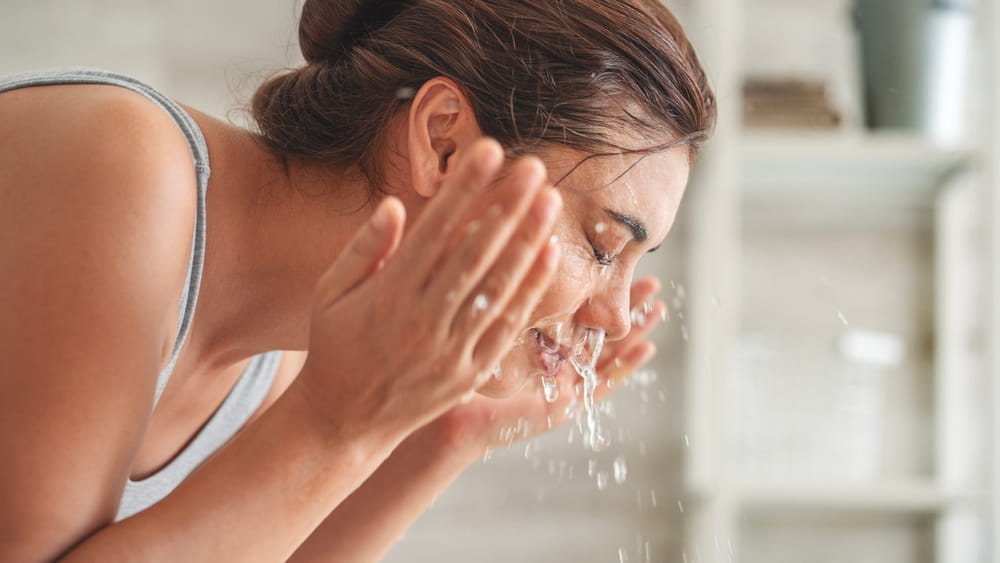
Skin care during the early period may involve mild, non-irritating cleansers and moisturizers to keep the skin clean and hydrated without causing sensitivity. Harsh skincare products, exfoliants, or strong active ingredients are usually avoided until the skin becomes less reactive. Individuals often find that patience and consistent gentle care help their skin feel more balanced as it recovers. As healing continues, many people gradually transition toward more comprehensive routines, but the early steps form an essential foundation.
Creating a Skincare Routine to Maintain Results
As the skin heals and becomes stronger, establishing a solid skincare routine is a key part of maintaining a refreshed appearance. Hydration is one of the most important elements in skincare. Moisturizers that support the skin’s natural barrier help keep the complexion soft and resilient. Many individuals focus on hydrating ingredients like hyaluronic acid to help maintain smoothness and luminosity. Regular hydration also supports elasticity, which is beneficial for long-term skin health.
Sun protection is equally crucial after a facelift. Because the skin may be more sensitive during and after healing, consistent use of sunscreen can help protect it from UV damage, which contributes to premature aging. Gentle sunscreens formulated for sensitive skin often become part of daily routines. Over time, individuals may also incorporate antioxidants or mild anti-aging products to help support skin vitality. Building a routine that balances nourishment, protection, and long-term maintenance can help sustain the facelift’s rejuvenated effects.
Incorporating Healthy Habits Into Daily Life
Lifestyle habits play a major role in supporting facelift results. Rest and good sleep hygiene allow the body to restore itself, which can positively influence the skin’s appearance. Many individuals prioritize consistent sleep schedules and comfortable sleeping positions to support facial tissues. Adequate hydration, nutritious food choices, and stress reduction techniques such as meditation or gentle exercise can also promote overall wellness, which often reflects in the skin’s tone and texture.
Long-term habits such as staying physically active and avoiding smoking are also frequently discussed as important for preserving skin quality. Smoking, for example, can affect circulation and contribute to premature signs of aging, making it less supportive of long-term skin health. Regular movement, on the other hand, promotes strong circulation and overall vitality, which can complement the refreshed look achieved after a facelift. These healthy habits form the foundation of long-lasting confidence and well-being.
Enhancing Confidence Through Mindful Choices
Feeling your best after a facelift isn’t solely about the physical results—it also involves emotional and mental well-being. Many individuals find that taking time to adjust to their new appearance is an important step. It can be helpful to gradually reintroduce social activities or events as comfort grows. Wearing clothing, hairstyles, or accessories that enhance confidence can also contribute to a sense of renewed self-expression. These small choices help individuals feel empowered and comfortable in their refreshed appearance.
Understanding that healing is a journey allows individuals to approach the process with patience. Results continue to refine over time, and acknowledging incremental changes can help build a more positive experience. By giving themselves space to appreciate each stage of recovery, individuals often find a deeper level of satisfaction. At Prive Plastic Surgery in Boca Raton, FL, Dr. Liz Wu underscores the importance of education and self-awareness as individuals learn how to look and feel their best after a facelift.
Key Points for Looking Your Best After a Facelift
• Prioritize gentle care and hydration during early recovery
• Establish a long-term skincare routine with sun protection
• Maintain healthy lifestyle habits that support skin vitality
Looking your best after a facelift involves thoughtful care, healthy habits, and an appreciation for gradual progress. By focusing on skincare, wellness, and personal confidence, individuals can support their refreshed appearance for years to come. At Prive Plastic Surgery in Boca Raton, FL, Dr. Liz Wu encourages a mindful, informed approach to post-facelift care and long-term well-being.
Resources:
Madison, R. B. (2019). Postoperative Skin Health and Recovery. Journal of Aesthetic Healing.
Lopez, K. D., & Ferris, J. S. (2020). Long-Term Maintenance After Facial Rejuvenation. Clinical Aesthetic Review.
Turner, P. L. (2018). Lifestyle Factors and Skin Aging. Dermatology and Wellness Journal.