
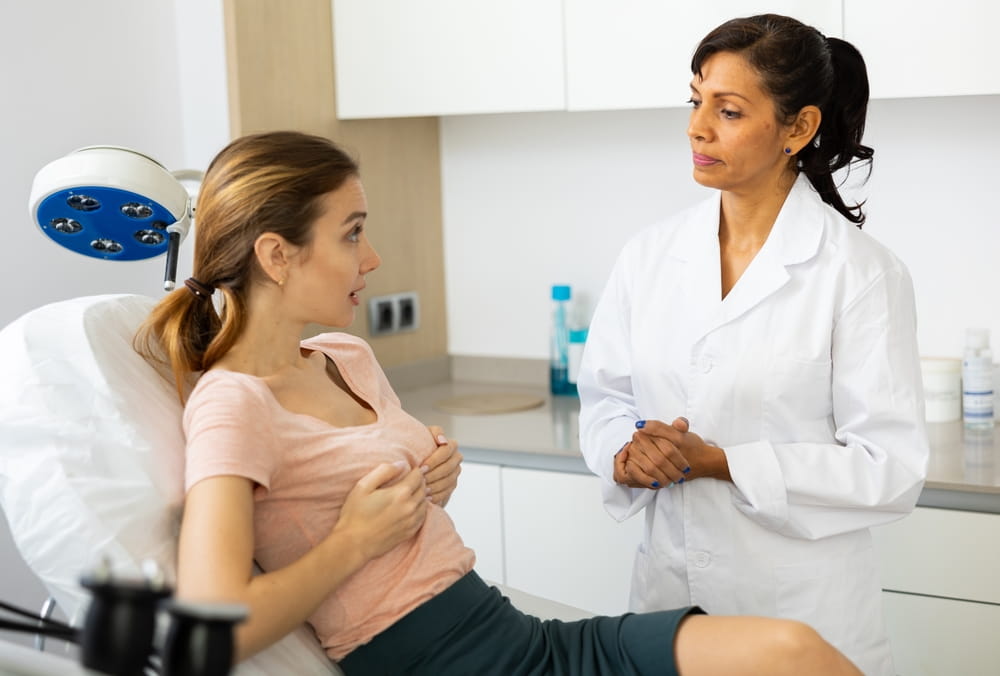
Choosing breast reconstruction is a deeply personal decision that often follows breast cancer treatment or preventive surgery. Understanding the recovery process can help patients feel more prepared and supported during this important phase. At Prive Plastic Surgery in Boca Raton, FL, Dr. Liz Wu emphasizes patient education so individuals know what to expect physically and emotionally after breast reconstruction. Recovery is a gradual journey that involves healing, adjustment, and ongoing communication with your surgical team.
The Early Healing Phase: What to Expect
The first one to two weeks after breast reconstruction are focused on rest and initial healing. Whether a patient undergoes implant-based reconstruction or tissue-based reconstruction, it is common to experience swelling, bruising, tightness, and fatigue. Discomfort is typically managed with prescribed medications, and patients are encouraged to rest while incorporating light walking to promote circulation.
Surgical drains may be placed temporarily to prevent fluid buildup. Patients will receive detailed instructions on how to care for these drains and monitor incision sites. Keeping incisions clean and dry, wearing recommended surgical garments, and avoiding strenuous movement are critical during this stage. Having assistance at home is especially important in the first week, as lifting, reaching, and pushing movements should be limited.
Weeks Two to Six: Gradual Return to Routine
As swelling begins to decrease, many patients start to feel more like themselves. Energy levels gradually improve, though it is important to remember that internal healing continues even when external incisions appear well-healed. Follow-up appointments allow the surgical team to monitor progress and address any concerns.
During this period, patients may be cleared to resume light daily activities and return to work, depending on the type of reconstruction performed. However, high-impact exercise and upper body strength training should be postponed until specifically approved. Gentle stretching exercises may be recommended to maintain shoulder mobility and reduce stiffness, particularly for those who have undergone mastectomy and reconstruction.
Supporting Physical Healing at Home
There are several practical steps patients can take to promote smooth recovery:
- Prioritize adequate rest and sleep to support immune function
- Maintain a balanced diet rich in protein, vitamin C, and zinc
- Stay hydrated to assist tissue repair and circulation
- Wear compression or support garments as instructed
- Avoid smoking and alcohol, as both can impair healing
Scar care is another important component of long-term recovery. Once incisions have fully closed, patients may discuss scar management strategies such as silicone sheets or topical treatments with their surgeon. Over time, scars typically soften and fade, though maturation can take up to a year.
Emotional Well-Being and Adjustment
Breast reconstruction recovery is not only physical but emotional. Patients may experience a range of feelings, from relief and gratitude to anxiety or temporary mood changes. It can take time to adjust to changes in appearance and sensation. Open communication with your care team and seeking support from loved ones or support groups can be beneficial.
Setting realistic expectations is also essential. Final results often evolve over several months as swelling resolves and tissues settle. Additional minor procedures may sometimes be part of the reconstructive process to refine symmetry or nipple reconstruction.
Breast reconstruction is a meaningful step in restoring confidence and a sense of wholeness after breast cancer treatment. At Prive Plastic Surgery in Boca Raton, FL, Dr. Liz Wu encourages patients to approach recovery with patience, preparation, and self-compassion. With attentive care and thoughtful support, individuals can navigate the healing process confidently and focus on their long-term well-being.
Sources
American Society of Plastic Surgeons. (2022). Breast Reconstruction Recovery. PlasticSurgery.org.
Cordeiro, P. G. (2008). Breast Reconstruction after Surgery for Breast Cancer. New England Journal of Medicine.
National Cancer Institute. (2023). Breast Reconstruction After Mastectomy. Cancer.gov.