At Prive Plastic Surgery in Boca Raton, FL, Dr. Liz Wu often educates patients about the many factors that influence how the skin ages. While sun exposure and lifestyle habits are well-known contributors, hormones play a powerful and often underestimated role in skin health. From collagen production to oil balance and elasticity, hormonal fluctuations throughout life can significantly affect the way skin looks and feels. Understanding these changes can help patients make informed decisions about skincare, prevention, and aesthetic treatments.
The Role of Hormones in Skin Function
Hormones act as chemical messengers that regulate numerous bodily functions, including those that affect the skin. Estrogen, progesterone, and testosterone all influence hydration levels, oil production, collagen synthesis, and skin thickness. When these hormones are balanced, the skin tends to appear smoother, firmer, and more resilient.
Estrogen, in particular, supports collagen and elastin production, which are essential for maintaining skin structure and elasticity. It also enhances moisture retention by promoting the production of natural oils and hyaluronic acid. Testosterone contributes to sebum production, which helps keep skin lubricated but can also contribute to acne when levels are elevated. As hormone levels shift during different life stages, visible changes in the skin often follow.
Hormonal Changes Across Life Stages
Puberty is often the first major hormonal milestone affecting the skin. Increased androgen levels stimulate oil glands, frequently leading to acne and breakouts. In adulthood, hormonal fluctuations related to menstrual cycles, pregnancy, or stress can also trigger temporary skin changes, including sensitivity or increased pigmentation.
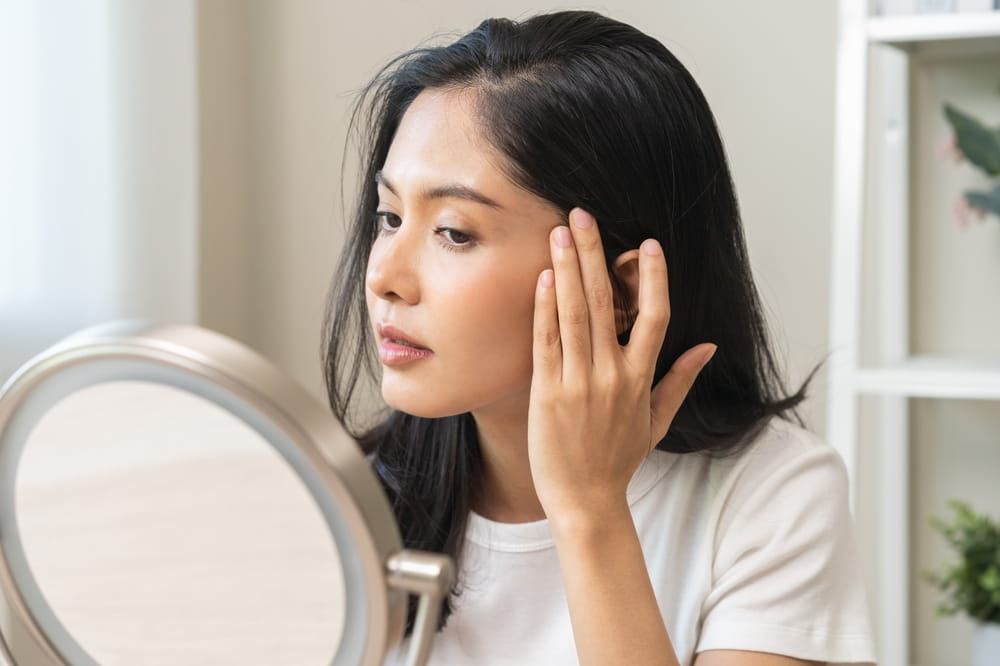
One of the most significant shifts occurs during perimenopause and menopause. As estrogen levels decline, collagen production decreases, and the skin may become thinner, drier, and less elastic. Fine lines can deepen, and facial volume may gradually diminish. These changes are natural but can feel sudden for many individuals. Reduced hormone levels also affect wound healing and skin barrier function, which may influence how the skin responds to environmental stressors and aesthetic treatments.
Hormones and Visible Signs of Aging
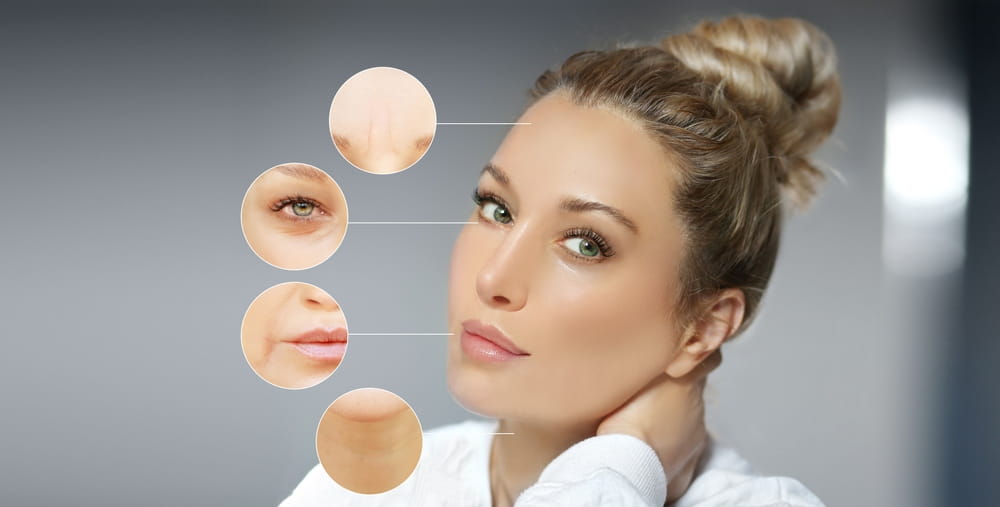
Hormonal decline contributes to several hallmark signs of aging, including sagging, wrinkles, and loss of facial fullness. Lower estrogen levels are associated with reduced collagen density, which can accelerate the development of lines around the eyes and mouth. Decreased oil production may make the skin appear dull or crepey, particularly in delicate areas.
In addition, hormonal shifts can affect pigmentation and vascular changes. Some individuals notice increased hyperpigmentation or uneven tone during pregnancy or menopause. Others may experience persistent redness or sensitivity. While these changes are biologically driven, they can be influenced by lifestyle factors such as sun exposure, diet, and stress levels.
Supporting Skin Through Hormonal Transitions
Although hormonal changes are inevitable, there are ways to support skin health throughout these transitions. A consistent skincare routine focused on hydration, sun protection, and collagen support can make a significant difference. Ingredients such as retinoids, peptides, antioxidants, and hyaluronic acid may help improve texture and maintain firmness when used appropriately.
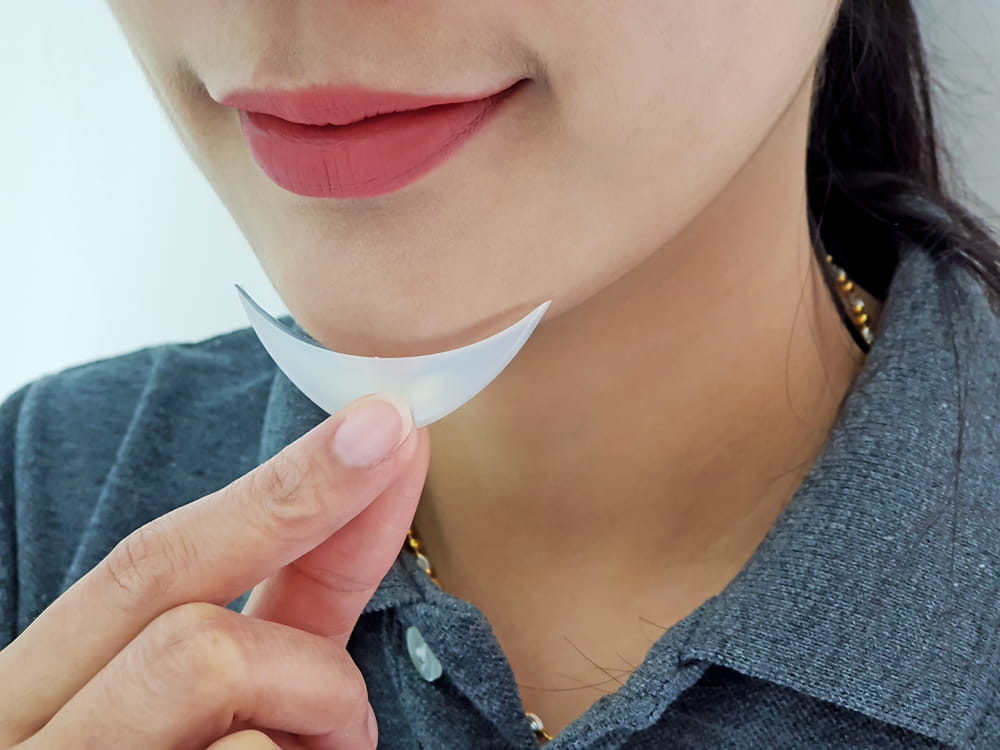
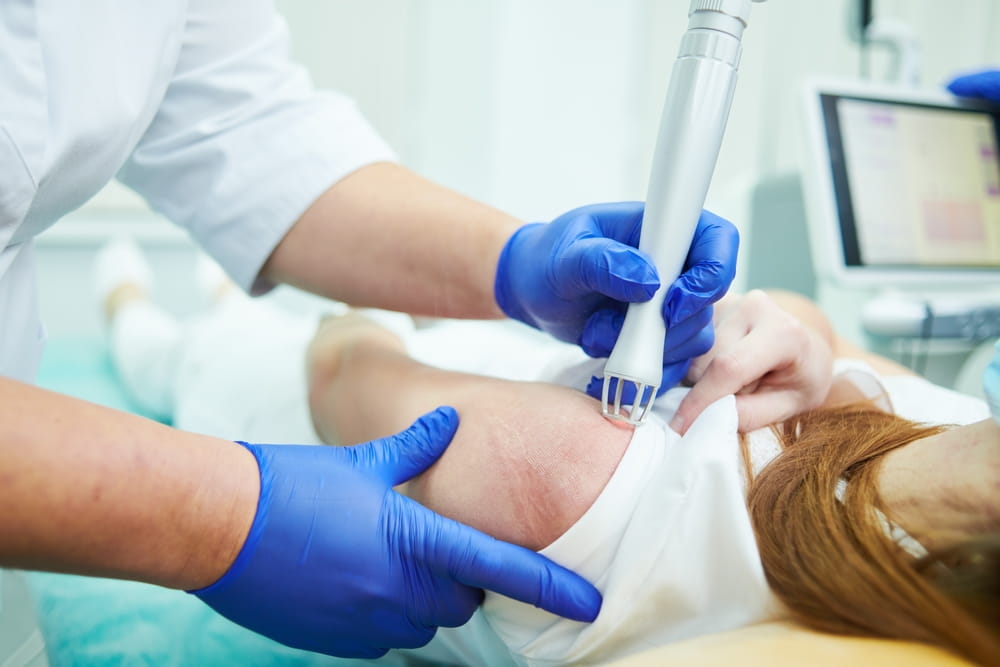
Professional treatments can also complement at-home care. Options such as fillers can restore volume lost due to declining collagen, while neurotoxins may soften dynamic lines that become more noticeable over time. Laser treatments can address pigmentation and stimulate collagen remodeling. A personalized approach ensures that treatments align with both hormonal changes and overall skin condition.
Healthy lifestyle habits further enhance results. Balanced nutrition rich in antioxidants, adequate hydration, regular exercise, and stress management all contribute to improved circulation and skin resilience. In sunny climates like Boca Raton, FL, daily sunscreen use is especially critical to prevent additional collagen breakdown caused by ultraviolet exposure.
Hormones are an integral part of the aging process, influencing everything from texture to elasticity. By understanding how these internal shifts affect the skin, patients can make informed decisions about prevention and treatment. At Prive Plastic Surgery in Boca Raton, FL, Dr. Liz Wu encourages individuals to view hormonal changes as a natural phase of life and to approach skin health with proactive, personalized care.
Sources
Brincat, M. P. (2000). Hormone Replacement Therapy and the Skin. Maturitas.
Thornton, M. J. (2002). The Biological Actions of Estrogens on Skin. Experimental Dermatology.
American Academy of Dermatology. (2021). How Hormones Affect Your Skin. Journal of the American Academy of Dermatology.