
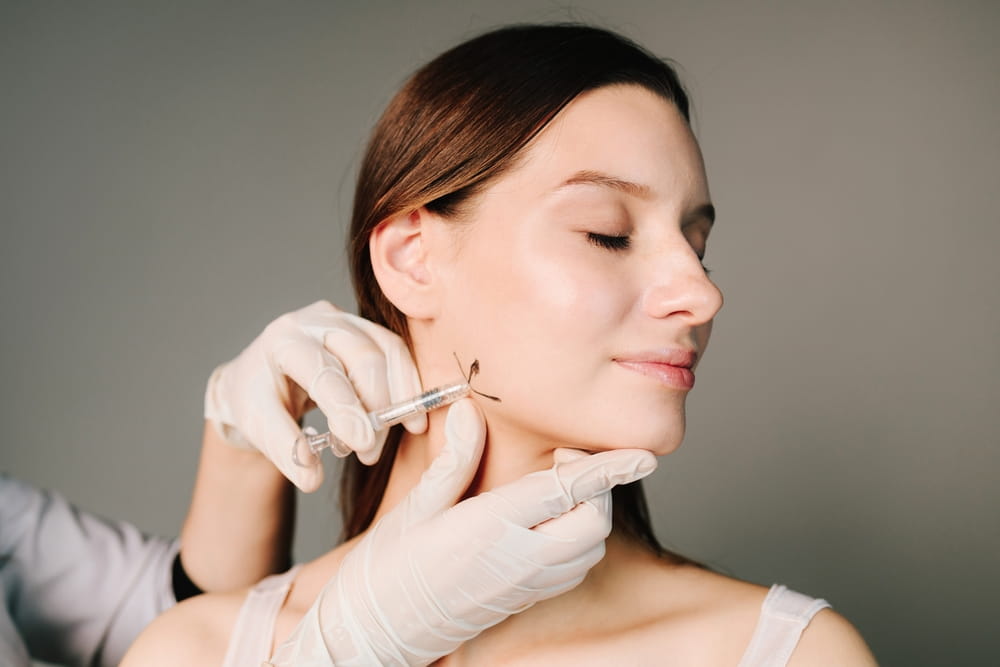
A well-defined jawline is often associated with facial balance, structure, and a youthful appearance. While genetics play a significant role in jawline shape, aging can gradually alter facial contours through volume loss, skin laxity, and changes in bone structure. As a result, many individuals notice that their jawline appears less defined over time, even if their weight remains stable.
Non-surgical jawline contouring has become increasingly popular as a way to enhance facial definition without surgery. At Prive Plastic Surgery in Boca Raton, FL, led by Dr. Liz Wu, patients frequently seek information about cosmetic treatments that can improve facial contours while maintaining natural-looking results. Jawline contouring with dermal fillers offers an option for individuals looking to create greater definition and balance with minimal downtime.
Unlike surgical procedures that require incisions and recovery periods, filler treatments can often be performed during a routine office visit. The procedure focuses on strategically adding volume and structure to specific areas of the jawline to create a more sculpted appearance.
How Jawline Fillers Work
Restoring Structure and Definition
Dermal fillers are injectable products designed to add volume beneath the skin. When placed along the jawline, fillers can enhance contours, improve symmetry, and create sharper transitions between the face and neck. The treatment is highly customizable because every person’s facial anatomy and aesthetic goals are unique.
As people age, collagen, elastin, and facial fat gradually decrease. These changes may contribute to softer jawline definition and the development of jowls or sagging tissue. By carefully placing filler in targeted areas, providers can improve the appearance of these changes and restore a stronger facial profile.
The amount of filler required varies significantly among individuals. Some patients seek subtle refinement, while others desire more noticeable contouring. A personalized treatment plan helps ensure that results complement the natural facial structure rather than appearing overdone.
Creating Facial Harmony
Jawline contouring is not solely about making the jaw appear larger or sharper. In many cases, the treatment is designed to improve overall facial balance. The jawline works together with the chin, cheeks, neck, and lower face to create facial proportions.
Enhancing one area can often improve how surrounding features appear. This comprehensive approach helps achieve results that look harmonious and proportionate rather than focusing on a single facial feature in isolation.
Who May Be a Good Candidate?
Many healthy adults seeking improved jawline definition may be candidates for filler-based contouring. Individuals commonly pursue treatment because they feel their jawline lacks structure, appears uneven, or has become less defined with age.
Potential candidates often include those who:
- Desire greater jawline definition without surgery
- Have mild to moderate volume loss along the jawline
- Want to improve facial balance and symmetry
- Prefer minimal downtime and recovery
- Maintain realistic expectations about results
A consultation allows providers to evaluate facial anatomy, discuss goals, and determine whether fillers are likely to achieve the desired outcome. In some situations, patients with significant skin laxity may benefit from other treatments or a combination approach.
What to Expect During Treatment
The Injection Process
Jawline contouring with Fillers is typically performed in an outpatient setting. Before treatment begins, the provider evaluates facial proportions and identifies strategic injection points. The treatment plan is customized to enhance natural contours while preserving facial harmony.
Many modern fillers contain a local anesthetic to improve comfort during injections. Depending on the extent of treatment, appointments often take less than an hour. Patients can usually return to most normal activities shortly afterward, although minor swelling, redness, or bruising may occur temporarily.
Results are often visible immediately, though the final appearance becomes more apparent after initial swelling subsides. The goal is generally to create natural-looking enhancement rather than dramatic alteration.
Recovery and Results
One of the primary advantages of filler treatments is the relatively short recovery period. Most patients experience only mild and temporary side effects. Swelling and tenderness generally improve within several days, while bruising, if present, gradually resolves.
The longevity of results depends on factors such as the type of filler used, treatment area, metabolism, and individual characteristics. Maintenance treatments may be recommended to preserve desired results over time.
Combining Jawline Contouring With Other Treatments
Jawline enhancement is often part of a broader facial rejuvenation strategy. Some individuals benefit from combining fillers with Neurotoxins to address dynamic wrinkles or reduce muscle activity that affects facial shape. Others may choose complementary treatments that improve skin quality and elasticity.
For patients seeking more comprehensive facial rejuvenation, procedures such as a Facelift or Necklift may be discussed when skin laxity becomes more advanced. Treatment recommendations depend on individual goals, anatomy, and the extent of age-related changes.
Combining therapies strategically can often provide more balanced and comprehensive results than addressing a single concern alone.
Making an Informed Decision
Jawline contouring with fillers offers a versatile, minimally invasive option for individuals seeking enhanced facial definition and improved balance. By restoring structure and supporting facial contours, fillers can help create a more refined appearance without the commitment of surgery.
At Prive Plastic Surgery in Boca Raton, FL, Dr. Liz Wu emphasizes individualized treatment planning and patient education. Understanding how jawline fillers work, what results to expect, and how they fit within an overall facial rejuvenation plan allows patients to make informed decisions and pursue aesthetic goals with confidence.
Resources
- American Society of Plastic Surgeons. (2024). Dermal Fillers: What Patients Should Know. American Society of Plastic Surgeons.
- Carruthers, J., Carruthers, A., & Humphrey, S. (2021). Cosmetic Dermatology: Products and Procedures. Wiley-Blackwell.
- Fagien, S., & Cassuto, D. (2020). Injectable Fillers in Aesthetic Medicine. Springer International Publishing.